
Restorative Fillings That Blend With Your Smile
At Sinolle Dental Clinic we restore teeth using modern, evidence‑based materials and minimally invasive techniques. Fillings repair teeth damaged by decay or trauma, restore chewing function and prevent further breakdown — all while preserving as much natural tooth structure as possible.
Types of fillings we provide
- Composite (tooth‑coloured) fillings: Aesthetic and bonded to tooth structure; ideal for visible areas.
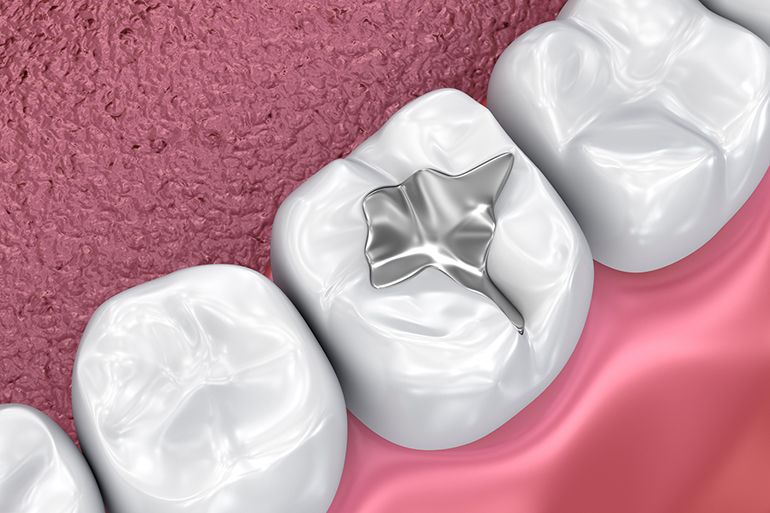
- Amalgam fillings: Durable metal restorations suited for large posterior restorations where strength is the main priority.
- Glass ionomer: Releases fluoride and is useful for small restorations in children or non‑load bearing areas.
- Indirect restorations (inlays/onlays): Custom lab or CAD/CAM restorations when a larger portion of the tooth requires replacement.
What to expect during the appointment
- Assessment: Clinical exam and radiographs to determine the extent of decay or damage.
- Anaesthesia: Local anaesthetic is used when needed to ensure comfort.
- Conservative removal: We remove decay using minimally invasive techniques to preserve healthy tooth tissue.
- Placement & finishing: Composite is bonded and sculpted, or other materials are placed and polished to restore form and function.
- Final check: Bite and contacts are adjusted to ensure comfort and correct function.
Longevity and maintenance
Longevity depends on the material, location in the mouth and your oral hygiene. Composite fillings commonly last 5–10 years, while well‑placed amalgam or ceramic restorations can last longer. Regular dental checkups, good home care and avoiding excessive forces (e.g. grinding) help extend the life of restorations.
Sensitivity & common considerations
Mild sensitivity to temperature or pressure is common after a new filling and usually settles within a few days to weeks. Persistent sensitivity or sore bites are easily managed — contact us for a review. We discuss all material choices, aesthetic goals and budget during your consultation so you can make an informed decision.
When a filling needs replacement
- New decay at the margin of the filling
- Fracture of the filling or the remaining tooth structure
- Wear causing reduced function or discomfort
- Discolouration or leakage compromising aesthetics
Alternatives
For larger defects we may recommend an onlay, crown or an implant‑supported solution. We provide honest advice about the most durable and cost‑effective option for your situation.
Practical information
Typical filling appointments take 30–60 minutes depending on size and complexity. We provide itemised treatment estimates and can discuss payment options or insurance claims before treatment begins.
Frequently asked questions
- Are tooth‑coloured fillings as strong as metal ones?
- Modern composites are very strong for small to medium restorations and offer superior aesthetics. For very large restorations, indirect restorations or metal options may be recommended.
- Will my filling be noticeable?
- Composite fillings are matched to your tooth shade and are usually indistinguishable from natural enamel when placed carefully.
- Do fillings contain mercury?
- Amalgam contains a small amount of mercury combined with silver and other metals. We discuss pros and cons of each material and offer alternatives when appropriate.